
Why The Gospels Aren’t The Same
Free Download (Optional Donation)
And a Good Thing They’re Not
Mike Licona PhD
Kurt Jaros, PhD
Access this free e-book and, if you find it valuable, consider supporting the mission with a donation.
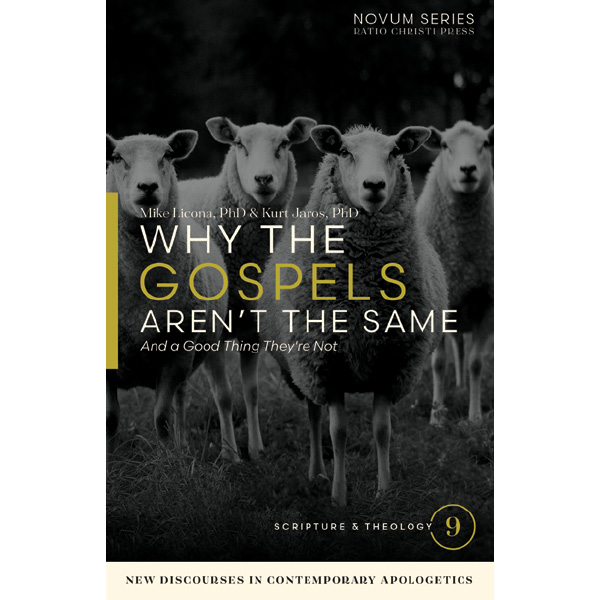
This booklet by Mike Licona and Kurt Jaros argues that the differences between the four Gospels are best explained by the literary conventions common to first-century Greco-Roman biography, rather than being treated as errors or contradictions.
The authors establish that the Gospels fit most naturally within the genre of ancient biography, then draw on compositional textbooks like Theon’s Progymnasmata and the writings of Plutarch to show that ancient authors routinely employed techniques such as literary spotlighting (focusing on one person while omitting others present), transferal (attributing an action to a principal figure rather than their intermediary), compression (condensing a timeline), inflection (changing singular to plural, etc.), and altered ordering of events.
These same devices, they argue, plausibly account for well-known Gospel discrepancies — such as whether one or two disciples ran to the empty tomb, or whether Jesus cursed the fig tree over two or three days. The authors conclude that recognizing this literary context actually strengthens rather than undermines the Gospels’ historical reliability, and that doctrines of inspiration and inerrancy should be understood in light of what Scripture actually does, rather than forcing a modern standard of rigid historical reportage onto ancient texts written for a first-century audience.


